Free Guide Contact Get Free Advice
Alcohol Rehabilitation

Alcohol rehab in
Sri Lanka

Residential treatment for alcohol dependency in one of Asia's most restorative environments. Evidence-based programmes led by internationally trained counsellors.

From 28-day programmes
Medically supervised detox
Direct flights from the UK and Australia
Free consultation

Get free advice today

Speak with an advisor - no obligation, completely confidential.

Free advice. No pressure. 100% confidential.

About alcohol rehab in Sri Lanka

Why Sri Lanka for alcohol treatment

Alcohol dependency is one of the most common reasons people seek residential treatment. It is also one of the most treatable - with the right support, in the right environment.

Sri Lanka offers a setting that is genuinely difficult to replicate elsewhere. Warm weather, lush landscapes, and a culture of hospitality combine with serious clinical programmes to create conditions where recovery can take hold.

Distance from home matters too. Leaving behind the routines, relationships, and environments associated with drinking gives the mind the space it needs to change. Many clients describe the physical break as one of the most important factors in their recovery.

Our programmes include medically supervised detoxification where required, individual and group therapy, holistic treatments, and a structured aftercare plan to support you on your return home.
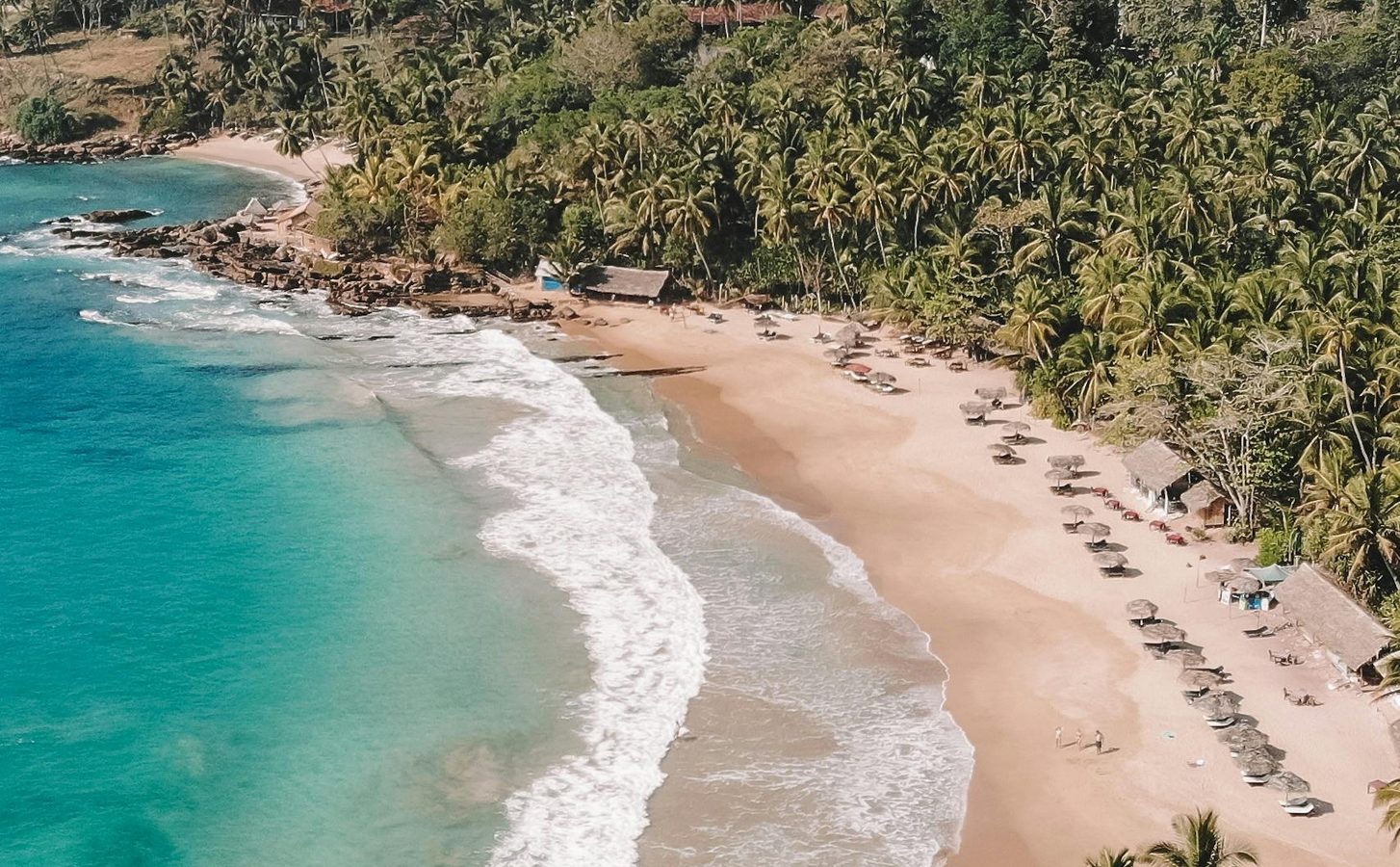
Sri Lanka landscape
Recognising alcohol dependency

Signs that professional help may be needed

Alcohol dependency exists on a spectrum. These are some of the indicators that residential treatment may be the right step.

Drinking earlier in the day

Finding reasons to drink before noon, or being unable to get through the morning without alcohol.

Withdrawal symptoms

Experiencing shaking, sweating, anxiety or nausea when not drinking - a sign of physical dependency.

Increasing tolerance

Needing significantly more alcohol to achieve the same effect as before.

Loss of control

Consistently drinking more than intended, or being unable to stop once started.

Neglecting responsibilities

Alcohol affecting work performance, family commitments, or relationships.

Drinking despite consequences

Continuing to drink despite health problems, relationship damage, or professional consequences.

How treatment works

The alcohol treatment process

A typical residential alcohol programme in Sri Lanka follows a structured progression from physical stabilisation through to psychological treatment and aftercare planning.

01

Assessment and admission

On arrival you will meet with the clinical team for a detailed assessment. This shapes your individual programme and determines whether a medically supervised detox is required.

02

Medically supervised detox

For clients with physical alcohol dependency, a supervised detox is the essential first step. This is conducted safely under 24-hour clinical supervision and typically takes between 5 and 10 days.

03

Individual therapy

One-to-one sessions with a qualified counsellor address the root causes of your drinking - whether trauma, anxiety, stress, or habit - and build practical coping strategies.

04

Group therapy

Structured daily group sessions provide peer support, accountability, and the powerful experience of shared understanding. Groups are kept small.

05

Holistic treatment

Yoga, meditation, breathwork, fitness, and nutritional support are integrated into the programme. These are not optional extras - they are evidence-based tools for long-term resilience.

06

Aftercare and relapse prevention

Before discharge, a structured aftercare plan is developed. This includes ongoing counselling, support group recommendations, and follow-up check-ins.

Common questions

Frequently asked questions

Is medical detox always necessary?
Not always. The need for a medical detox depends on your level of physical dependency. This is assessed on arrival. For heavy or long-term drinkers, supervised detox is essential for safety.
How long does alcohol rehab take?
Most programmes run for 28, 60, or 90 days. Research consistently shows that longer stays produce significantly better long-term outcomes. 60 days is the most commonly recommended duration for alcohol dependency.
Can I have visitors during treatment?
This varies by centre and by stage of treatment. In the early phase, most centres recommend limiting contact with the outside world to allow full focus on recovery. Family visits and calls are usually permitted after the initial period.
What happens when I return home?
A structured aftercare plan is developed before discharge. This typically includes referrals to local counsellors, support group recommendations, and scheduled follow-up calls with the treatment team.
Is treatment confidential?
Completely. All enquiries, assessments, and treatment are treated with full confidentiality. Nothing is shared with employers, family members, or anyone else without your consent.

Ready to take the first step?

Speak with one of our advisors for free, confidential guidance.
No pressure. No obligation.

Get free, confidential advice

We respond within a few hours.