In this article
Key takeaways
- Sri Lanka's two opposing monsoon cycles mean one coast is typically dry when the other is wet, making the island suitable for treatment year-round.
- The Hill Country operates at elevations of 500 to 2,000 metres with a mild microclimate that is genuinely appropriate for treatment at any time of year.
- Even during peak monsoon season on the south-west coast, the weather pattern is warm mornings followed by heavy afternoon rain, which is fundamentally different from sustained winter cold.
- Delaying treatment to wait for optimal weather is a rationalisation - the neurological and psychological cost of delay is real and measurable.
- Recovery is supported by nature-proximate settings, warm climates, and low-stimulation environments rather than specific seasonal weather patterns.
Sri Lanka's two monsoons
Sri Lanka sits just north of the equator and has a tropical climate year-round. Unlike much of Europe or Australia, it does not have four distinct seasons - it has two monsoon cycles that affect different parts of the island at different times of year. Understanding which monsoon affects which coast is the starting point for any climate conversation about Sri Lanka.
The island is divided broadly by the central mountain range - the Hill Country - which runs roughly north to south through the interior. The two main monsoons arrive from opposing directions and are largely blocked by these mountains, meaning that when one coast is wet, the other is typically dry. This geographical fact is more significant for treatment planning than most people realise.
The south-west coast (November to April)
The south-western coast - which includes Colombo, Galle, and the area around Bentota - is at its best between November and April. These months bring lower humidity, calmer seas, and reliable sunshine. The south-west is the most popular area for international visitors and is where many of the island's higher-end residential facilities are located.
Is this something you're dealing with?
Free confidential advice - no pressure, no obligation.
Between May and September, the south-west experiences its main monsoon season. Rain arrives in heavy afternoon showers rather than as continuous grey drizzle - mornings are often fine, and the landscape turns dramatically green. The humidity rises, and sea conditions become rough. For someone in a residential facility, this is less consequential than it sounds: treatment programmes are designed around indoor and covered-outdoor activities, and the climate remains warm throughout.
The north-east (May to September)
The north-eastern coast - including Trincomalee and the area around Nilaveli - reverses this pattern. Its best months are May through September, when the south-west is wet. The north-east monsoon arrives between November and February. This part of the island has seen significantly less international tourism infrastructure and fewer residential clinical facilities than the south and west.
For most international patients, the north-east coast is not the primary area of interest for treatment location. The relevant climate question is almost always about the south-west and the Hill Country.
Year-round suitability of the Hill Country
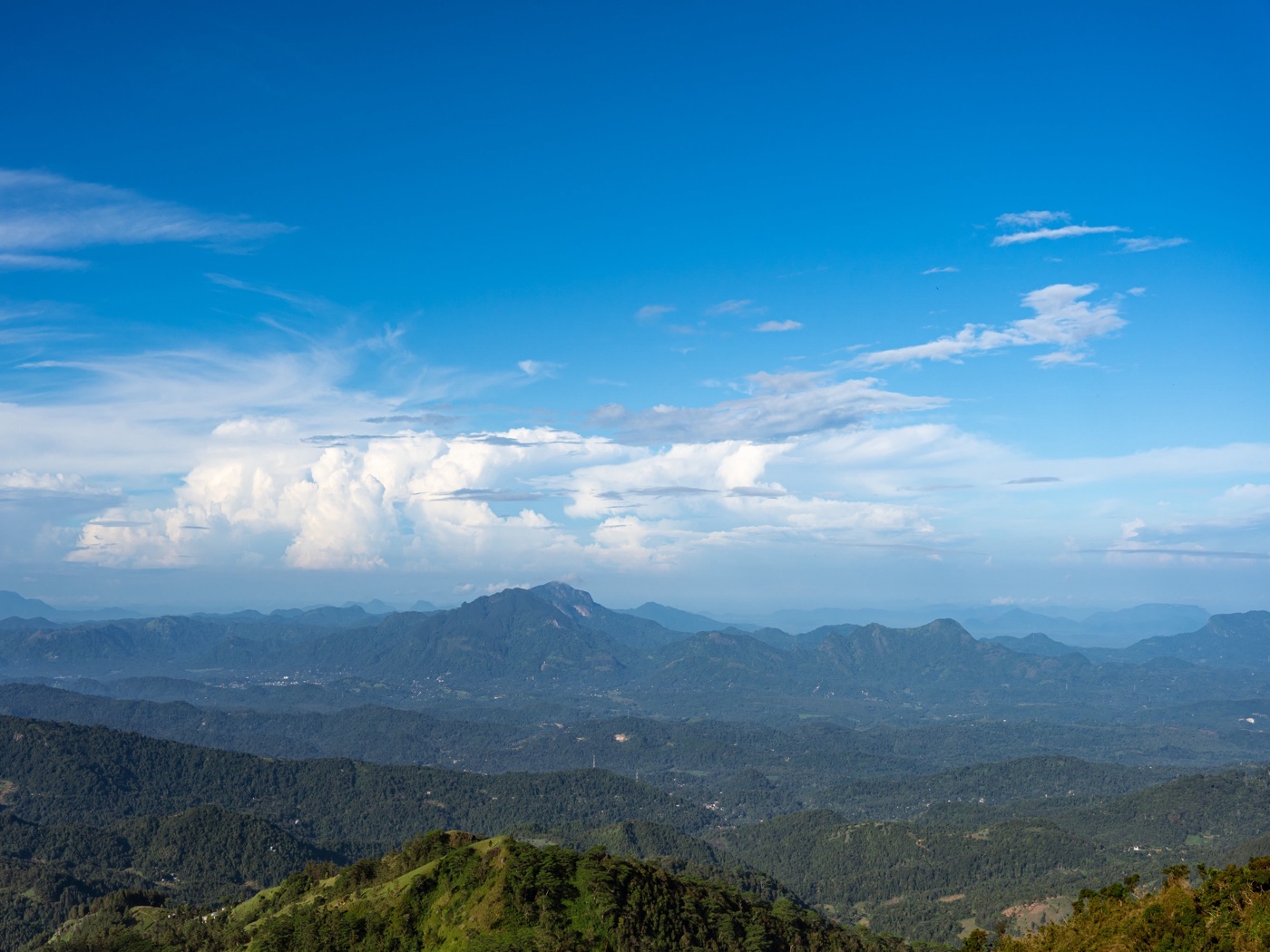
The central Hill Country - the area around Kandy, Nuwara Eliya, and the surrounding tea estate plateau - has its own microclimate distinct from both coasts. At elevations of 500 to 2,000 metres, temperatures are significantly cooler and more consistent throughout the year. Humidity is lower than at sea level. The Hill Country receives rainfall from both monsoons but is not dominated by either.
Several residential treatment facilities operate in or near this region, and they are genuinely appropriate for treatment at any time of year. The climate is mild rather than tropical, the landscape is among the most striking in Asia, and the combination of altitude and green environment is genuinely calming. For patients who find intense heat uncomfortable, the Hill Country is worth specific consideration regardless of time of year.
What this means for treatment
In practical terms, Sri Lanka has no months that are simply unsuitable for a residential treatment stay. Even during peak monsoon season on the south-west coast, the weather pattern is typically: warm mornings, heavy rain in the afternoon for an hour or two, then clearing. This is fundamentally different from the sustained grey cold of a northern winter, and treatment schedules are organised accordingly.
Facilities with good indoor spaces, covered outdoor areas, and a mix of therapeutic activities are not significantly disrupted by monsoon conditions. The key variables for patient comfort - temperature, access to nature, the quality of the physical environment - remain present throughout the year. Sri Lanka is warm, lush, and conducive to recovery in every month of the calendar.
The most common reason for delaying treatment is not the weather. It is uncertainty, fear, and the hope that things will improve on their own. Waiting for the right season is almost always a rationalisation.
The truth about timing
The honest answer to the question of timing is this: the best time to travel to Sri Lanka for treatment is when you are ready to go, or when the people who care about you can persuade you to go. Seasonal considerations are genuinely secondary.
Addiction and mental health conditions do not wait for the dry season. The neurological and psychological cost of delay is real and measurable. Every additional month of active addiction carries clinical consequences - to physical health, to the complexity of trauma, to the damage done to relationships and to the person's capacity to engage fully with treatment when they eventually arrive.
No competent clinician or addiction counsellor would tell someone to wait until November before seeking help because the weather in Colombo would be more pleasant. The suggestion would be treated as what it is: a deflection.
Does weather actually matter for recovery?
There is good evidence that environment matters for recovery - but the relevant factors are not whether it rains at 3pm on Tuesdays. What the research on environment and treatment suggests is that nature-proximate settings, warm climates, and low-stimulation environments support the neurological recovery process better than urban, cold, or high-stimulation ones. Sri Lanka delivers these conditions in abundance throughout the year.
What patients who have completed treatment in Sri Lanka consistently describe is not the weather in any granular sense, but the quality of the light, the warmth, the sound of the ocean or the forest, the distance from the environment of their addiction. These are not seasonal. They are present in January and they are present in July.
If you are weighing up timing, the questions worth asking are clinical and logistical: Is there a bed available? Can travel be arranged? Are work or family commitments manageable? These are the real variables. The monsoon is not.
Ready to find out more?
Free confidential advice. We will help you understand what the process looks like - from first call to arrival.

Sources
- National Institute on Alcohol Abuse and Alcoholism. Addiction Science: The science behind substance use disorder and treatment. U.S. Department of Health and Human Services.
- Substance Abuse and Mental Health Services Administration. SAMHSA National Helpline - Free, confidential, 24/7 treatment referral and information service. U.S. Department of Health and Human Services.
- National Institute on Drug Abuse. Treatment Approaches for Drug Addiction. U.S. Department of Health and Human Services.